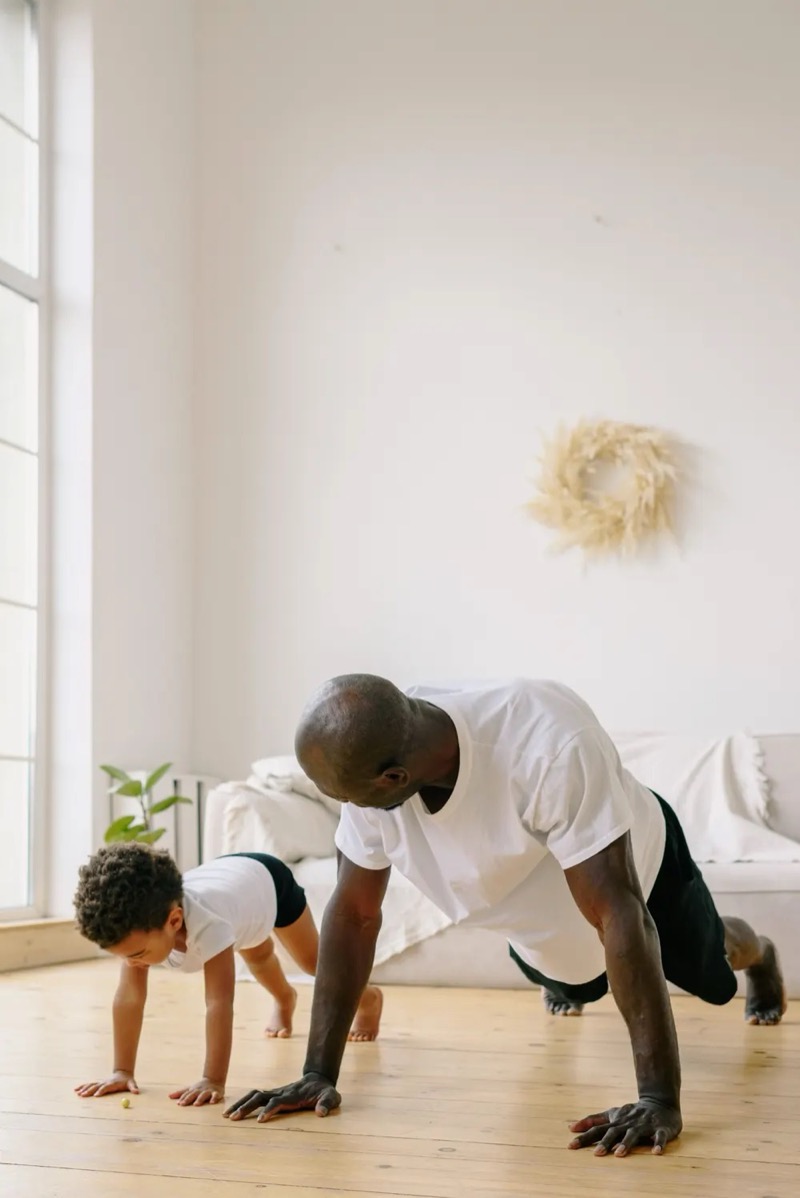

Moderate activity and vigorous activity: the difference
Moderate activity takes noticeable effort but still allows you to hold a conversation: brisk walking, easy cycling, and gardening are typical examples. Vigorous activity leaves you out of breath and makes talking difficult: running, intense sport, hard cycling. This distinction isn't just a detail: in the activity-level calculation, one minute of vigorous activity counts as two minutes of moderate activity, because its effect on cardiovascular health is greater for the same duration.
IPAQ, GPAQ: two questionnaires, one shared recommendation
The IPAQ (International Physical Activity Questionnaire) is widely used in France and Europe; the GPAQ (Global Physical Activity Questionnaire) is the World Health Organization's reference tool, more widely used elsewhere in the world. Both rely on the same WHO recommendation: at least 150 to 300 minutes of moderate activity per week (or the equivalent in vigorous activity). That's why the tool above asks the same questions regardless of the country chosen: only the source cited in the result changes, not the calculation method or the thresholds.
An openly stated simplification
The full IPAQ and GPAQ calculation method produces a MET-minutes score, with different coefficients depending on the type of activity (walking, moderate, vigorous). This method, reserved for research protocols, is too technical for public screening. The tool above therefore uses a simplified version, in weighted weekly minutes (vigorous activity counting double): a simplification openly explained here, not hidden.
Sedentary behavior, a distinct risk factor
It is possible to meet the recommended level of physical activity while still being sedentary (sitting or lying down while awake) for most of the day. These two dimensions — the level of physical activity and the time spent sedentary — are now considered two distinct cardiovascular risk factors that add up rather than cancel each other out: regular exercise does not fully offset the effects of prolonged sitting the rest of the time.